What is auburn? Pronunciation and usage in English

auburn means . Learn how to pronounce and use auburn through vivid examples and easy-to-understand exercises.

Definition & pronunciation of auburn

auburnadjective

/ˈɔːbən//ˈɔːbərn/
Definition & pronunciation of auburn

Okay, let's break down how to pronounce "auburn." It's a tricky one because it doesn't follow typical English pronunciation rules!

Here’s the best way to say it:

ˈɔːbərn

Let’s break it down syllable by syllable:

  • ˈɔː (First syllable): Think of the "aw" sound as in "law" or "caught." This is a broad "aw" sound – a longer, more open vowel.
  • bər (Second syllable): This is similar to the "burn" in "burn." It's a short "er" sound.

Putting it together: It sounds like "aw-burn."

Tips for getting it right:

  • Don't say "uhb-urn." That's a very common mistake. The 'au' sound is key.
  • Focus on the 'aw' sound in the first syllable. It’s not a short “a” like in “cat.”
  • Listen to examples: The best way to learn is to hear it spoken. Here are a few resources:

Do you want me to:

  • Repeat the pronunciation?
  • Give you more examples of words with similar sounds?

Usage and examples with the word auburn in English

Let's break down how to use the word "auburn" in English. It's a beautiful and evocative word, but it's often misused. Here's a comprehensive guide:

1. What Does "Auburn" Mean?

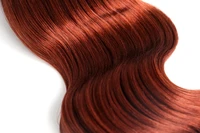
  • Core Definition: "Auburn" describes a reddish-brown color, often associated with the color of horse hair or autumn leaves. It's a shade that’s richer and warmer than a simple brown, and lighter than a deep red.
  • Most Commonly Used for Hair: It’s primarily used to describe hair color – a lovely, warm brown with hints of red. Think of the color of a chestnut horse or the leaves changing in the fall.

2. How to Use It in Sentences:

Here are some examples, categorized for clarity:

  • Describing Hair Color:

    • "She has stunning auburn hair that catches the sunlight."
    • "His hair was a rich auburn, almost a copper shade."
    • "The stylist recommended an auburn dye to brighten her complexion."
    • "I love the way auburn looks with warm, earthy tones.”
  • Describing Colors (Beyond Hair): You can use it for other colors, though it’s less common and requires careful consideration. It works best for colors with a reddish-brown undertone.

    • "The maple leaves turned a brilliant auburn before falling."
    • "The antique dresser had an auburn finish." (Suggests a reddish-brown stain or varnish)
    • "The sunset cast an auburn glow over the mountains." (Describing the color of the light)
  • Figurative Language (More Advanced): "Auburn" is often used metaphorically to evoke feelings of warmth, richness, and nostalgia.

    • "Her voice had an auburn quality – warm and comforting."
    • “The memories of his childhood had an auburn hue." (Suggesting a bittersweet warmth)

3. Important Distinctions & Related Words:

  • Auburn vs. Brown: Auburn is not just a lighter shade of brown. It has a distinct reddish-brown undertone.
  • Red vs. Auburn: Auburn is warmer and more muted than a bright red. Red is more vibrant, Auburn is softer.
  • Chestnut: “Chestnut” often describes a similar reddish-brown hair color, but it's usually a deeper, richer shade than classic “auburn.” Chestnut can sometimes imply a slightly darker, more coppery tone.
  • Ginger: "Ginger" is a very bright, fiery red-orange hair color. It’s significantly different from auburn.
  • Copper: "Copper" often describes a hair color with reddish-gold tones; a shade that blends auburn with a more golden hue.

4. Tips for Using It Effectively:

  • Be Specific: Instead of just saying "reddish-brown," use “auburn” to be more precise.
  • Context is Key: Make sure the color actually fits the description. If it’s a vibrant, scarlet red, “auburn” isn’t the right word.
  • Consider the Tone: “Auburn” has a slightly more sophisticated and artistic feel than simply saying “brown.”

Resources for Visual Examples:

  • Google Images: Search for "auburn hair," "auburn leaves," or "auburn color" to see examples.
  • Color Charts: Look at color charts to get a better sense of the specific shade.

Do you want me to:

  • Give you more examples?
  • Help you differentiate between auburn and other similar colors?
  • Explain how it’s used in a specific context (e.g., fashion, art, nature)?

Comment ()